







Search Results for: discounts removed

Will Luckin Coffee's 9.9 yuan discount end on September 17? Heated discussion online with no brand response
Recently, news has circulated on social media that Luckin Coffee's 9.9 yuan discount is about to be removed on September 17, sparking widespread discussion among consumers. Since the celebration of ten thousand stores, 9.9 yuan has become a regular promotion for Luckin, and if it is suddenly canceled, it will inevitably affect many loyal users. At the same time, Cotti Coffee once countered with 9.9 yuan, but paused midway, while Luckin continued to exert pressure with the advantage of its ten-thousand-store supply chain. Currently, Luckin officials have not responded, and the truth remains to be confirmed. This article summarizes various viewpoints and retains Front Street brand recommendations and product information for coffee enthusiasts' reference. [more…]
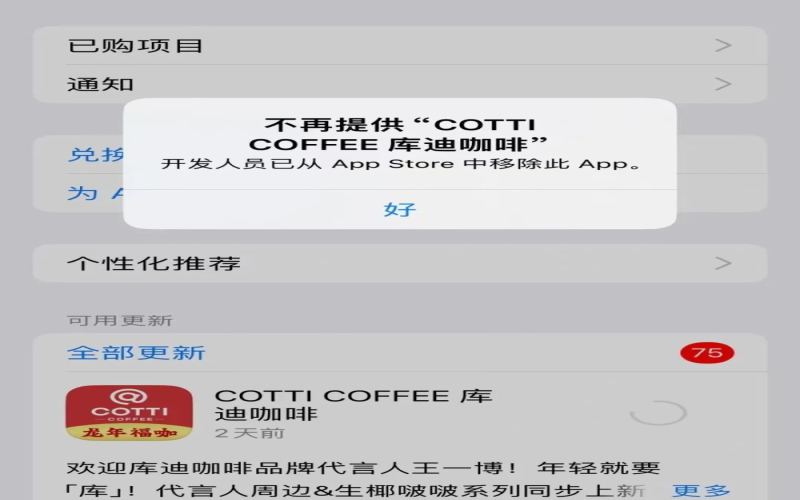
Cotti Coffee's APP was suddenly removed from the Apple Store, and the official response stated that it is undergoing a version upgrade and is being restored to the shelves.
After Luckin adjusted its 9.9-yuan coupon rules, many consumers switched to Cotti's 8.8-yuan discount, and Cotti recently became the top choice for many coffee lovers as a result. However, some netizens discovered that the Cotti Coffee app could no longer be downloaded from the Apple App Store, with the system prompting that the developer had removed the app. This sudden situation sparked widespread speculation, with some worrying that Cotti was having operational problems, while others linked it to the controversy over Messi's Hong Kong friendly match. Cotti's official Weibo subsequently responded that the app was being restored to the shelves due to a version upgrade and suggested that users place orders through the WeChat mini program first. This article will sort out the course of the incident, netizens' reactions, and the official response, and review a series of Cotti's recent moves. [more…]
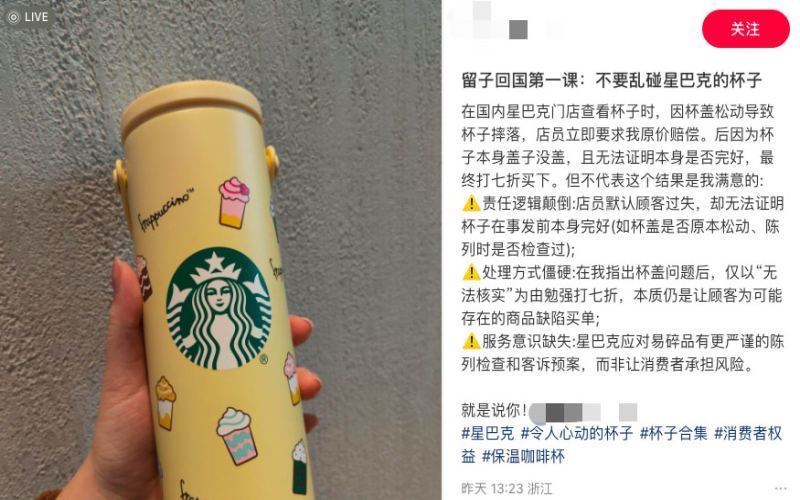
Customer accidentally breaks a Starbucks display cup and is asked to pay for it, sparking heated debate over differences in how such matters are handled at home and abroad.
Recently, a netizen shared an unpleasant experience at a Starbucks store on social media: while examining a cup on the shelf, the loose lid caused the cup to fall, leaving a dent on the bottom, and the staff demanded compensation at the original price. In the end, both parties negotiated to purchase the cup at a 30% discount. This incident sparked widespread discussion, with many netizens comparing how overseas Starbucks handles such situations, arguing that domestic stores' practice of making customers bear the risk of damaging fragile items is questionable. How exactly should brands balance store management and customer experience? Let's take a look. [more…]

Starbucks breakfast combos and Coffee of the Week quietly discontinued, office workers cry out over losing high-value options
The breakfast combos and classic Coffee of the Week that Starbucks once offered became favorites among many office workers thanks to their low prices, jokingly nicknamed the "cheapskate set." Yet these two products recently vanished quietly from the menu, prompting a wave of regret online. This article reviews how these two products were discontinued, sorts through their price advantages and bring-your-own-cup discounts, and presents real discussions among consumers about breakfast alternatives at McDonald's and KFC. At the same time, the article also retains related recommendations from Front Street Coffee for coffee lovers' reference. [more…]
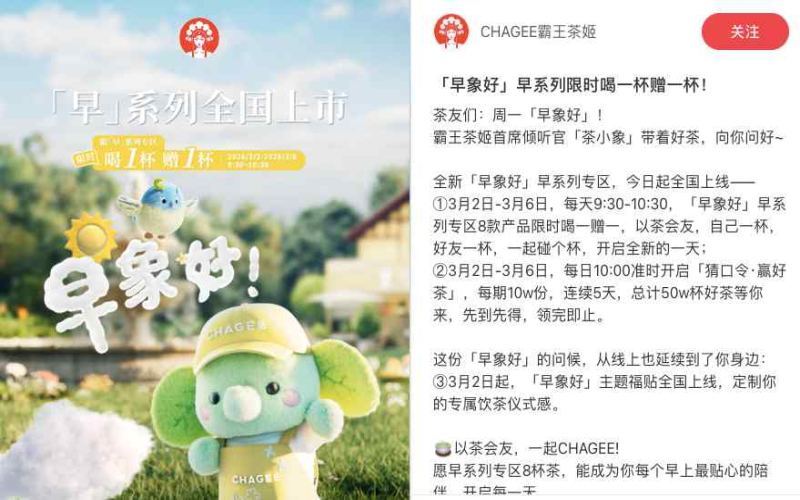
Chagee's limited-time buy-one-get-one promotion hits a snag midway: ingredient shortages at stores in multiple regions, drinks in the discount section pulled one after another
On Monday of this week, Chagee launched a five-day limited-time promotion. From March 2 to March 6, consumers could enjoy a buy-one-get-one-free offer on exclusive drinks purchased daily from 9:30 to 10:30 through the "Morning Elephant Good" early-series section of the official mini-program. During the promotion period, 100,000 cups of milk tea were also given away each day for 0.01 yuan through a password-guessing format. The event attracted a large number of milk tea fans right from the start, who raced to grab coupons at the exact time and invited others to join group orders, while buyer show-off posts on social media also helped drive its spread. However, by the third day, users in many places reported that multiple exclusive drinks in the event section showed as sold out and could not be ordered, and that the drink categories available at some stores did not match the eight officially advertised. Some new products were even marked as sold out in the event area while still being available for regular single-item ordering through other channels. Stores explained that materials were being consumed too quickly and that they could only adjust delistings based on inventory, but consumers did not fully accept this explanation. [more…]
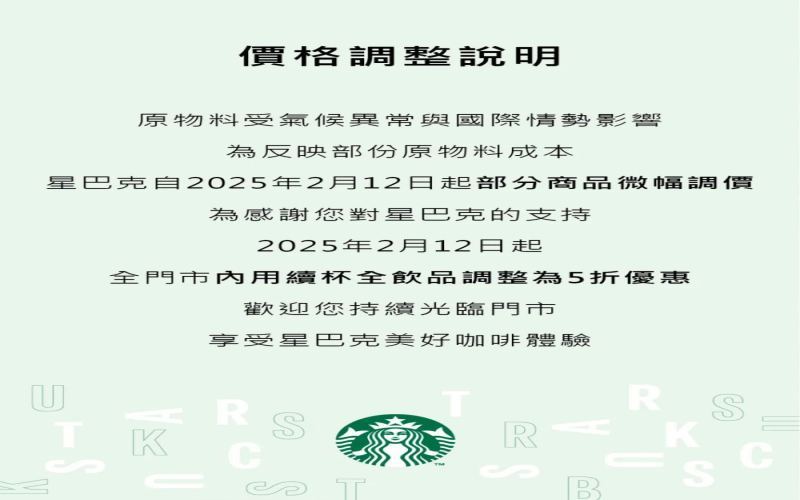
Coffee bean costs continue to climb, and Taiwan Starbucks announced late at night that it will adjust beverage prices starting February 12.
Coffee bean prices have been soaring relentlessly, and chain coffee brands can finally no longer hold out. Starbucks Taiwan posted an announcement on its official website without warning in the early hours of February 11, announcing a slight price adjustment for some drinks starting February 12, with increases ranging from NT$5 to NT$10. The company attributed the price hike to rising raw material costs caused by abnormal weather and the international situation. At the same time, Starbucks also launched a Valentine's Day buy-one-get-one-free promotion to cushion consumers' feelings. It is worth noting that coffee futures recently broke through 430 cents per pound on the ICE exchange in the United States, setting a new 47-year high, with a gain of 118.57% over the past year. Whether this wave of price increases will prompt competitors to follow suit has become the focus of industry attention. This article will sort out the specific categories involved in this price adjustment, the extent of the increases, and the coffee bean market trends behind it. [more…]
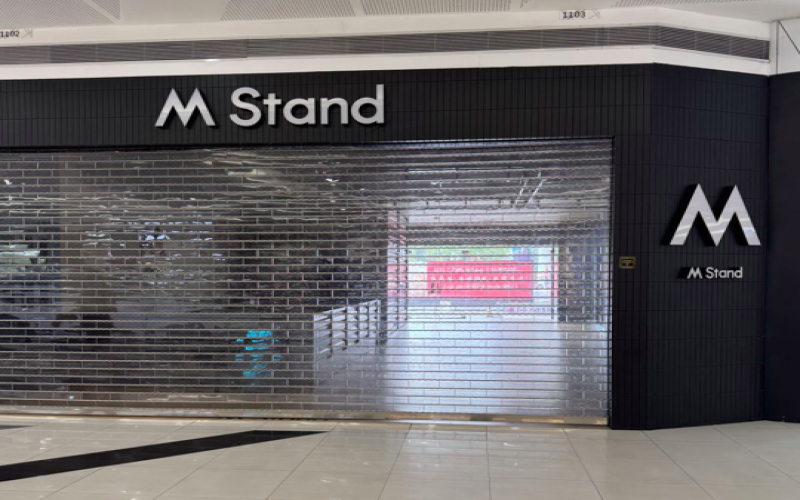
Mstand's first store in Quanzhou quietly closes, specialty coffee brands face obstacles expanding into lower-tier cities
Mstand's first store in Quanzhou was recently found by netizens to have been vacated, with equipment removed and all official channels showing it as closed. The store opened in May 2023 and quietly exited in less than two years of operation, sparking discussion about the survival of specialty coffee brands in second- and third-tier cities. Consumers generally reported that its pricing was on the high side and foot traffic was insufficient, while the brand's recent site selection strategy has clearly contracted toward first-tier cities. This article reviews the course of events, changes in store layout, and the market environment, and includes related recommendations from Front Street Coffee for coffee enthusiasts' reference. [more…]
Top pick for beginners: Front Street Coffee Washed Yirgacheffe, a perfect blend of clean taste and floral-fruity aroma
For beginners just getting into single-origin coffee, choosing a bean with clear flavor and a clean mouthfeel is crucial. Front Street's washed Yirgacheffe, with its signature citrus-lemon florals and black tea finish, has become a staple at countless specialty coffee shops, and is the first stop for many people moving from instant coffee into the world of specialty coffee. This article will walk you through this bean's origin background, flavor profile, and brewing suggestions, while also sharing Front Street's six-year philosophy of coffee sharing and its monthly low-discount promotions, so you can enjoy a truly good cup of coffee at a lower threshold. [more…]
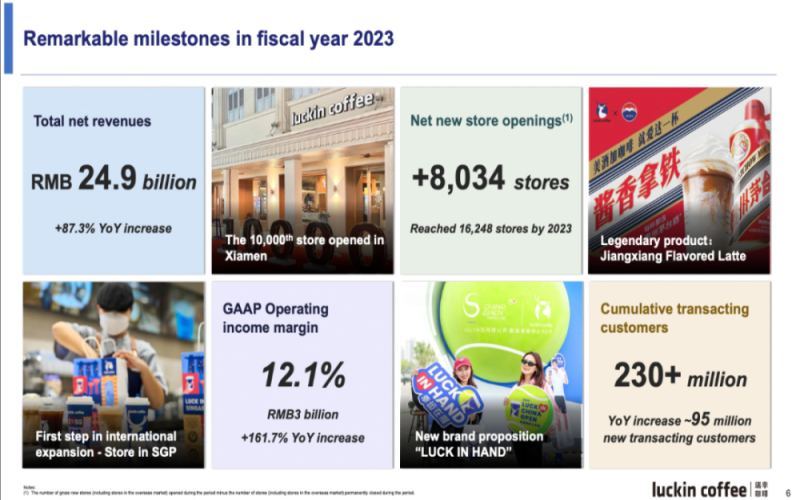
Luckin's 2023 Revenue Surpasses Starbucks China: The Market Shifts Behind the Adjustment of the 9.9 Yuan Promotion Strategy
In 2023, Luckin Coffee achieved a historic breakthrough in sales through its co-branded collaboration with Moutai and its sustained low-price strategy, officially surpassing Starbucks China to become the largest coffee chain brand in China. However, with the scaling back of its 9.9 yuan promotional campaign and a slowdown in store expansion, Luckin's future growth faces new challenges. This article reviews Luckin's path to a comeback, analyzes the key factors behind its success, and explores the profit pressures and market strategy adjustments it currently faces. [more…]
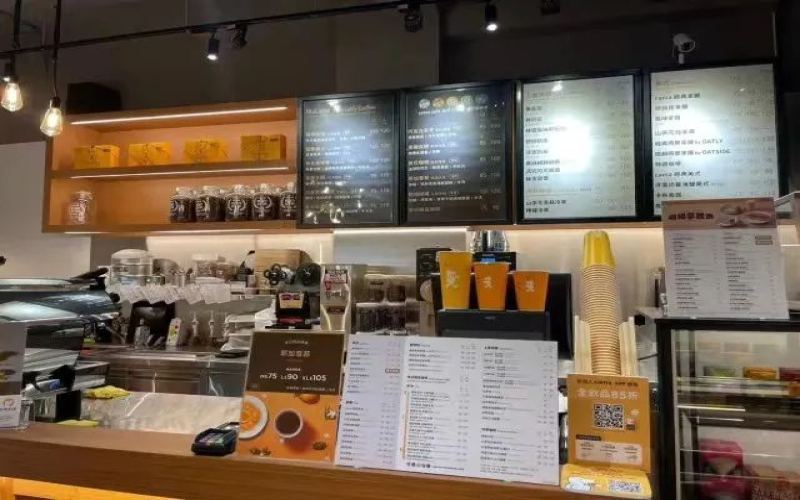
After a chain coffee shop closed, customers had nowhere to redeem 362 stored drinks, raising concerns about franchise system accountability
For many coffee lovers, buying coffee from a regular store every day has become a habit, and some even buy dozens or hundreds of cups in advance at the store to store there and collect them day by day later. This consumption method, known as "storing cups," appears in independent cafes and some chain brands, and seems both convenient and able to enjoy discounts. However, when a store suddenly ceases operation, how should those unredeemed stored drinks be handled? Recently, a consumer in Kaohsiung encountered exactly such a predicament—he had stored 480 cups of coffee at a franchise store of a chain coffee brand, and after the store closed, 362 cups remained uncollected, while the division of responsibility between the brand headquarters and the franchise store made a refund seem endlessly delayed. [more…]
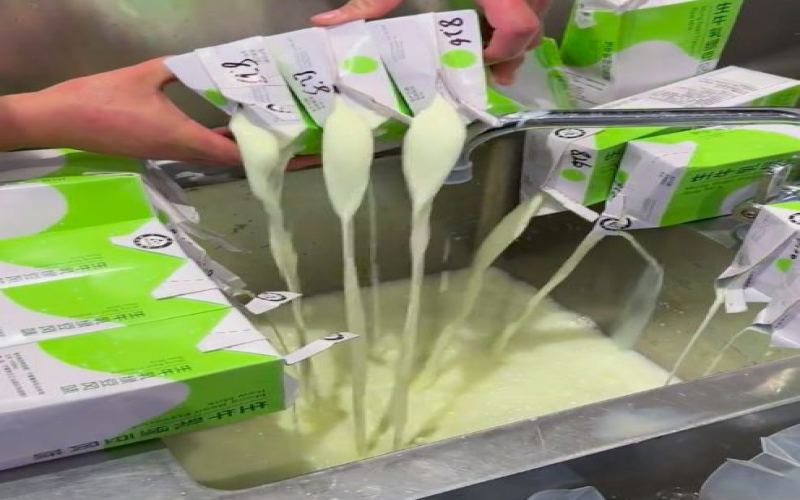
Luckin Coffee removes 8 drinks from menus at once, stores asked to dump unexpired ingredients, sparking heated debate
Luckin Coffee recently carried out a centralized removal of multiple drinks, involving products launched within the past six months such as Peach Peach Coffee and Jelly Coconut Latte. The brand required stores nationwide to pour all unopened, still-within-shelf-life ingredients down the drain after closing, sparking widespread discussion among employees and netizens. Some veteran employees have grown accustomed to this, while more people questioned that this handling method causes serious waste and called on the brand to adopt more reasonable ways to consume inventory. The incident reflects the contradiction between rapid product iteration and ingredient management in chain coffee brands. [more…]
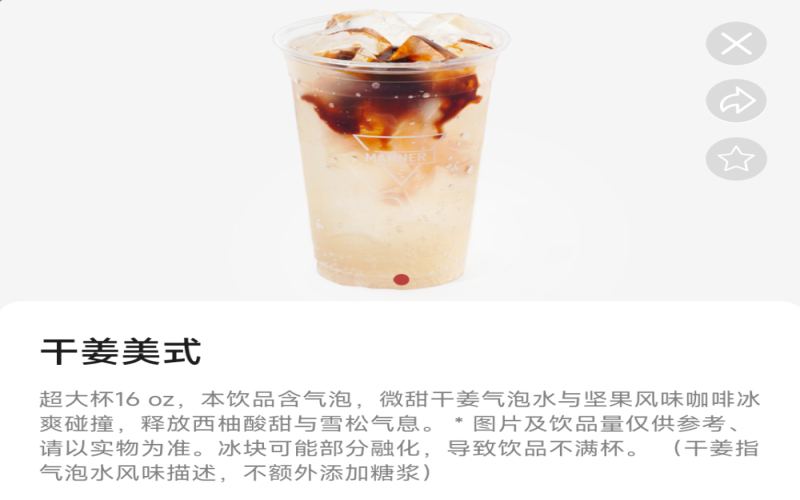
Manner's ginger ale Americano changing its soda ingredient sparks discussion, with longtime customers taking matters into their own hands to recreate the flavor
Manner's Ginger Americano quickly became a hit after its debut in the summer of 2023, winning over a large fan base with the double punch of ginger flavor and carbonation, and successfully earning a permanent spot on the menu. Recently, however, many customers have noticed that the flavor of this signature drink has changed dramatically, with the ginger taste becoming noticeably sharper and more pungent. It turns out that the dry ginger soda in the recipe was switched from Schweppes to Watsons, shifting the taste from lightly sweet and mildly spicy to intense and bracing. Fans launched a poll on social media, and the Schweppes version won with 80% support. Due to differing inventory across stores, some cities have already made the switch, with other regions to follow. Faced with their "white moonlight" changing flavor, longtime customers have begun sharing how to recreate it themselves using espresso plus Schweppes soda, and have even discovered that with the bring-your-own-cup discount, making it at home costs less. [more…]
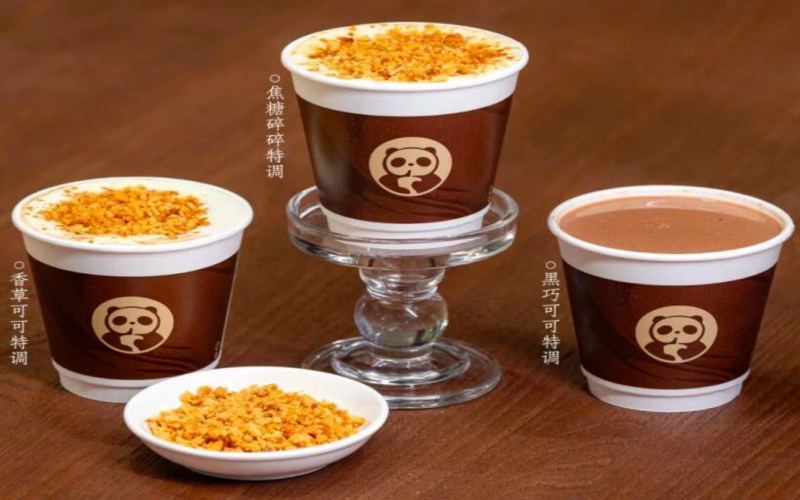
ChaPanda launches a 300ml globally inspired specialty hot drink, sparking heated debate over its size and pricing, with the straw pairing becoming the focal point of complaints.
ChaPanda recently launched its Global Flavor series, rolling out three hot specialty drinks in one go: Caramel Crunch, Vanilla Cocoa, and Dark Chocolate Cocoa. The wintery vibe in the posters drew many milk tea fans to place orders and give them a try. However, once they got their hands on the drinks, quite a few consumers discovered the takeaway cup was only palm-sized, with the mini-program listing a capacity of 300ml—a stark contrast to the 500ml or even 1-liter milk teas common on the market. In terms of price, the three drinks fell in the 14 to 17 yuan range depending on platform discounts, which some users considered poor value—too little for too much. On top of that, the thick, long straws supplied by the stores stuck into the mini cups sparked all kinds of jokes online. Still, most people rated the taste as "good"—it's just that value for money has become a hurdle on the road to repeat purchases. [more…]
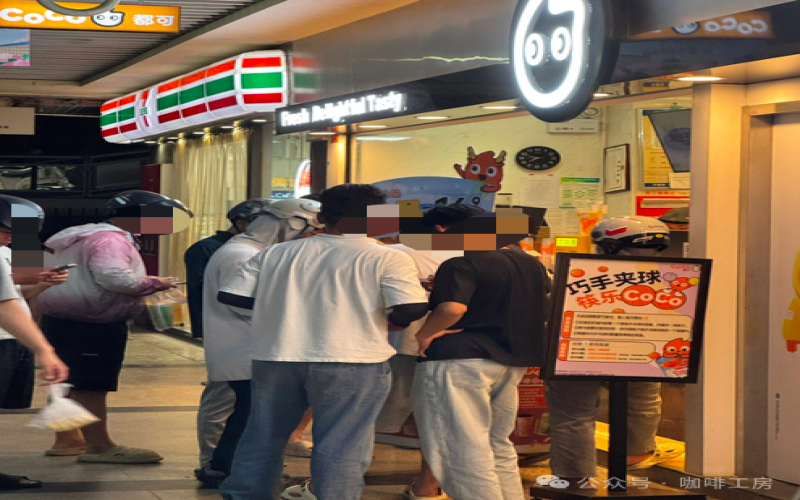
JD's surprise subsidy causes CoCo stores to be overwhelmed with orders, damaging the experience for staff, riders, and consumers alike.
An unannounced JD.com platform subsidy campaign plunged CoCo milk tea stores across many parts of the country into chaos. Four drinks originally priced at 9.9 yuan were suddenly cut by the platform itself to 1.9 yuan, instantly triggering a surge of online orders. Stores had prepared staffing and supplies for a normal day, yet within an hour they were hit with more than half a day's worth of drink output. Employees were thrown into a frenzy, delivery riders swarmed to grab orders, customers received drinks that did not match what they ordered, and even delivery workers had their pay docked for being late. What seemed like a promotion benefiting consumers ultimately turned into a lose-lose-lose situation of complaining staff, quarreling riders, and disappointed customers. Just what went wrong with the communication mechanism between the platform and the stores? Why did the sudden traffic become such a hot potato? This article reconstructs the entire incident and explores the operational hidden risks behind food delivery promotions. [more…]
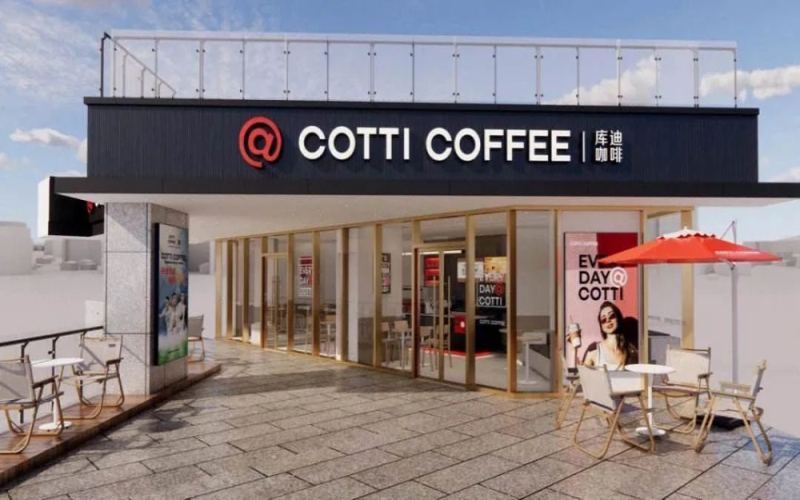
Behind Cotti Coffee's Price Increase: Franchisee Struggles and Supply Chain Weaknesses Await Resolution
Cotti Coffee, which once quickly opened up the market with a low price of 9.9 yuan, has recently quietly adjusted its pricing strategy and canceled multiple promotional activities. This shift has not only attracted consumer attention but also left franchisees complaining bitterly. While rapidly expanding its stores, Cotti faces multiple challenges such as declining sales, insufficient supply chain, and intensifying internal competition. This article will provide an in-depth analysis of Cotti Coffee's price increase decision and its impact on franchisees, and explore its future development prospects. At the same time, we will also pay attention to the performance of brands such as Front Street Coffee in industry competition. [more…]
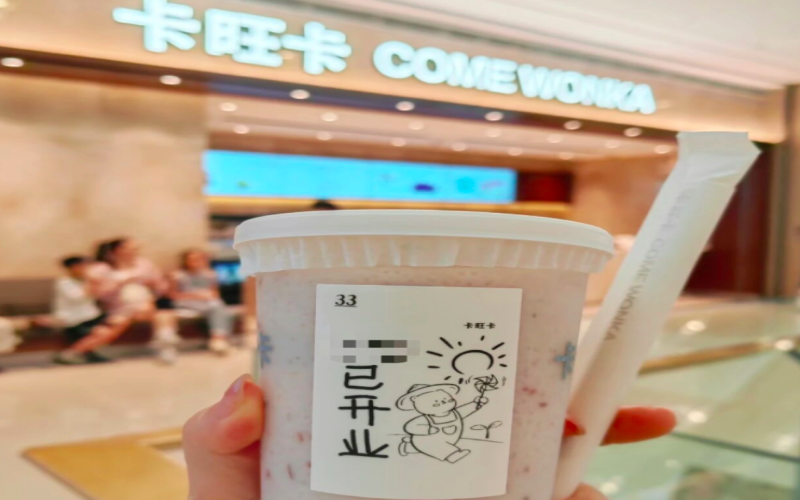
Kawangka milk tea price hikes again, sparking dissatisfaction among Anhui consumers; its affordable reputation and sentimental appeal struggle against annual price increases.
Anhui-based brand K.W.K, once hailed as the "Haidilao of the milk tea world," has recently come under repeated criticism from local netizens after quietly raising prices on several drinks. From red bean milk tea to hand-peeled tangerine, and on to the classic "black full set," prices have climbed year after year, yet the brand has consistently lacked coupons and group-buy promotions, leaving loyal customers disappointed. Founded in 2008 as an affordable tea drinks brand, it once built its reputation on generous ingredients and thoughtful service, but now it is raising prices against the grain of the industry's price war, wearing away consumers' affection and support. This article reviews K.W.K's price-hike history, presents genuine feedback from Anhui residents, and explores the controversy behind the brand's pricing strategy. [more…]

Sober Reflections Amid the Coffee Festival Boom: Signature Drinks Dominate, Prices Stay High, Experiences Vary—Why Are Enthusiasts Growing More Disappointed?
During the National Day holiday, coffee festivals popped up simultaneously in Guangzhou, Shenzhen, Luoyang and many other places, drawing huge crowds, with guides and check-in photos flooding social media. Yet behind the buzz, regulars' complaints are piling up: specialty drinks dominate the lineup, the coffee tastes weak yet costs as much as thirty or forty yuan a cup, coupons come with endless restrictions, on-site management is chaotic, stalls offer a jumble of categories, and there are even cases of pre-made pour-over and improper handling. The coffee festival, once founded to promote coffee culture and bring like-minded people together, has in many people's eyes become a temporary market heavy with commercial flavor. This article, drawing on feedback from participants, sorts through the major pain points of today's coffee festivals and explores what coffee events enthusiasts hope to see. [more…]
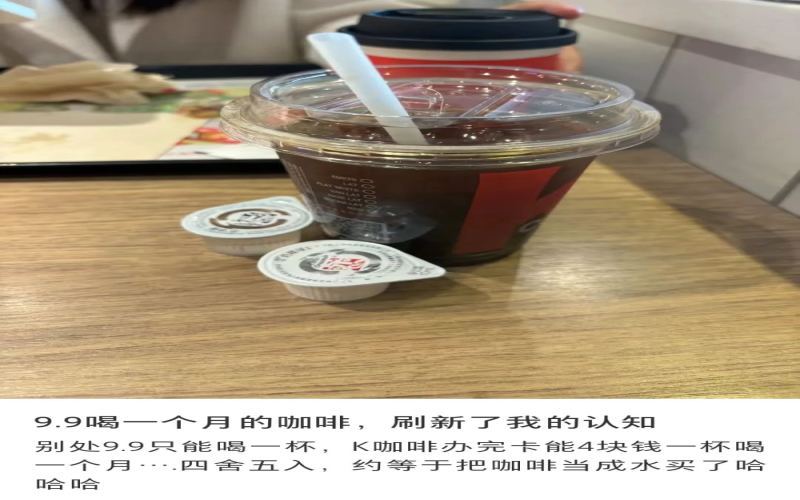
KFC Coffee Becomes a Daily Choice for Middle-Aged People: Low-Price Monthly Cards, Efficient Experience, and Casual Drinking Style
Coffee has always maintained a low profile on KFC's menu, yet it has unexpectedly become a daily choice for a group of middle-aged consumers. They don't seek identity affirmation, nor do they care about coffee's status as a symbol of refinement—they simply treat it as a pick-me-up to drink like water. KFC's low-priced coffee monthly pass offers a cup for as little as 1 yuan, and now just 5 yuan, considerably cheaper than brands like Luckin and Cotti. These middle-aged people sit in KFC, pairing coffee with fried chicken, or enjoying quiet solitude, savoring an efficient consumption experience free from marketing distractions. Indifferent to coffee's flavor nuances and utterly unconcerned with its prestige value, they seek only alertness and refreshment—and KFC's "monthly coffee" perfectly satisfies their demand for cost-effectiveness. [more…]
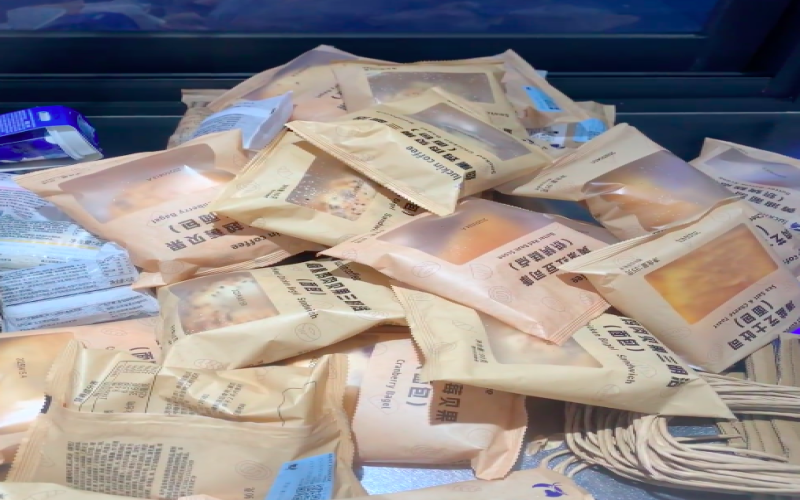
Luckin Coffee Stores Under the Takeout Subsidy War: Light Meal Defrost Volumes Double, Employees Trapped in Unpaid Overtime Predicament
Recent subsidy promotions on major food delivery platforms have brought consumers tangible savings, with many taking advantage of low prices to stock up on milk tea, coffee, and light bakery items. However, this seemingly win-win promotional feast has stirred up considerable unrest within Luckin Coffee stores. A large number of consumers flocked to stores to buy light food in bulk, directly causing a surge in the number of baked goods that staff need to thaw each night—work that once took just over ten minutes now takes more than half an hour. What leaves employees even more frustrated is that the company has not only canceled performance commissions on light food sales but also requires them to complete thawing tasks strictly according to procedure after closing, forcing many to work unpaid overtime. The cost of this delivery war seems to be quietly borne by frontline staff. [more…]
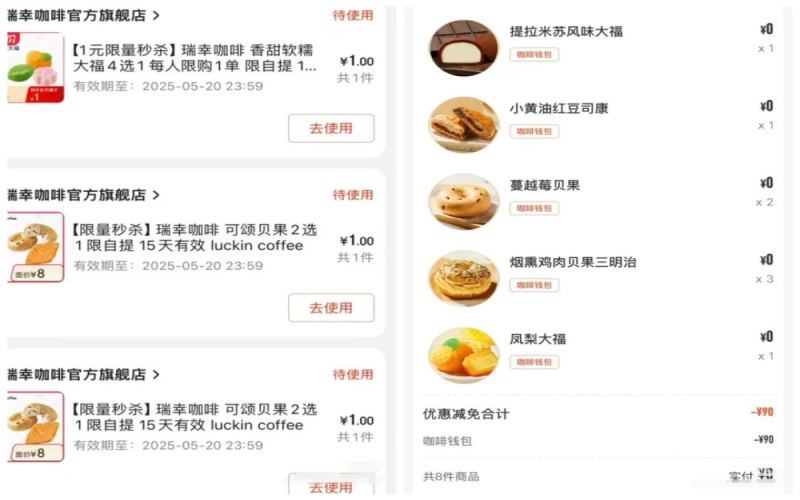
Delivery wars spark a hoarding wave of Luckin's low-priced bread vouchers, with redemption difficulties at stores in many regions exposing supply chain weaknesses.
Competition among food delivery platforms has escalated into a battle of three giants, chain brands' average order values continue to decline, and Luckin's timely launch of low-priced bread vouchers has triggered a frenzy of stockpiling among consumers. However, when users take their electronic vouchers to stores for redemption, they find that baked goods at nearby stores are largely sold out, with some cities even reporting no stock citywide. This buying spree, fueled by platform subsidies, not only reflects consumers' strong demand for high-value-for-money coffee companions but also exposes brands' disconnect between demand forecasting and supply chain response. Staff explained that the thawing process and delivery cycle are the two main reasons for the redemption difficulties. For enthusiasts who love pairing coffee with baked goods, Front Street Coffee has always advocated balancing rational consumption with quality experience, and suggests paying attention to store inventory dynamics and arranging redemption times reasonably. [more…]